I’m an Associate Professor of English who teaches in the MFA Program at NC State University. NC State’s MFA is a two-year, fully-funded ($20,000 a year; students don’t teach their first year) program consisting of workshops, interdisciplinary coursework and a final thesis of literary work. I teach in the program along with Belle Boggs (fiction), Carter Sickels (fiction), Meg Day (poetry), and Diamond Forde (poetry). Chelsea Krieg is our Administrative Director.
Mentorship Interests for Prospective Students
Reflecting my own creative interests, I am especially excited to mentor writers working in:
* Historical and/or research-driven fiction
* Speculative fiction, in particular horror, the Gothic, fabulism, and the fantastic
* Experimentation in genre, form, or aesthetic traditions
* The American South and place-based fiction
* Fiction that engages questions of race, class, identity, and socio-political concerns
* Fiction concerning embodiment; the complexities of living in a body, the ways bodies become sites of memory, constraint, or transformation
* Fiction that deals with grief, loss, and trauma
* Fiction centered around longing and desire
* While our program doesn’t have a CNF track, I am also interested in writers who write creative nonfiction, in particular lyric essays, along with hybrid and cross-genre work
My Approach to Teaching
My teaching invites students to reflect critically on the worlds they inherit and imagine new possibilities for storytelling. I design courses that value experimentation and rigorous inquiry—whether through thematic seminars like my Literary Citizenship and Controversies course, which examines ethics and power in the literary community, or my Sentence as a Unit of Composition course where students reconsider narrative at its most elemental level. Whether in the classroom or through individualized mentorship, I strive to cultivate a community where students feel empowered to take creative risks, develop a critical understanding of their work in relation to the world, and build the skills necessary for sustained engagement with literary and artistic communities.
My courses center on creative practice & revision, theory-informed craft, literary citizenship & ethics, publishing conversations and professional development. The goal is for students to not only develop their manuscripts but to examine the assumptions underlying their own creative choices and gain a deeper understanding of the traditions of their work and their place within contemporary literary culture. In these courses, students have developed artist statements used to secure acceptance to conferences and residencies, participated in conversations with agents and editors about the publishing industry, created revision plans in preparation for their thesis projects, and engaged in self-reflective discussions about their creative practice in advance of their MFA exams. Together, these experiences have helped students to build a sustainable artistic practice that extends beyond their time in the program.
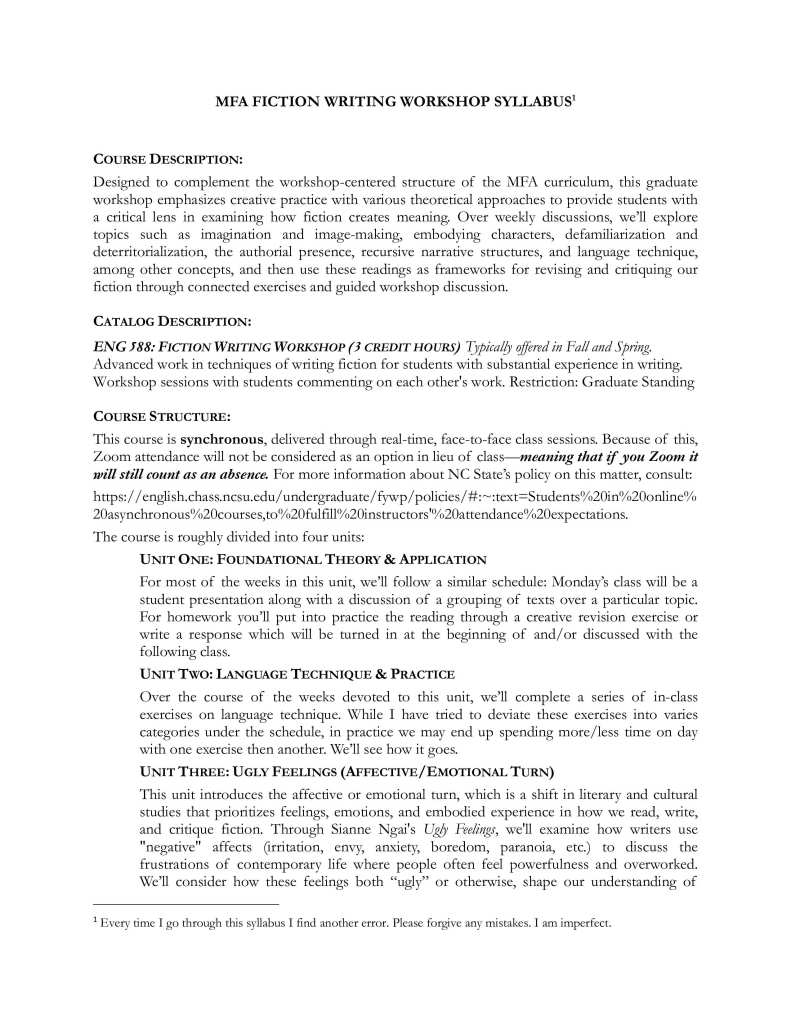
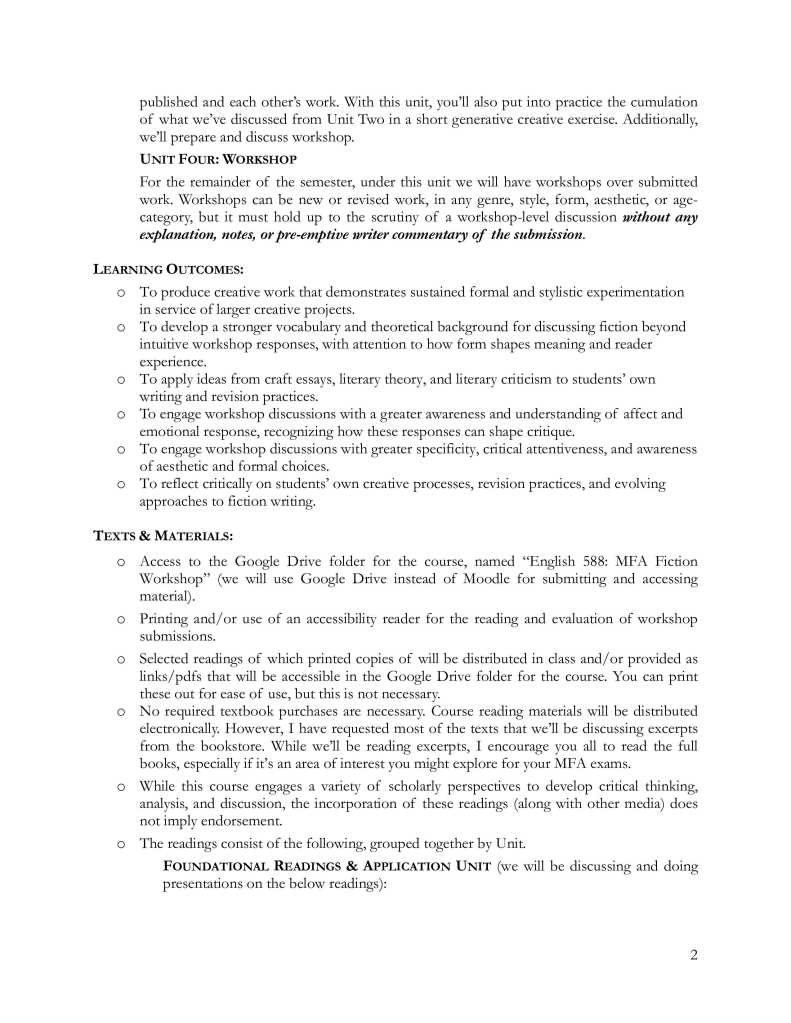
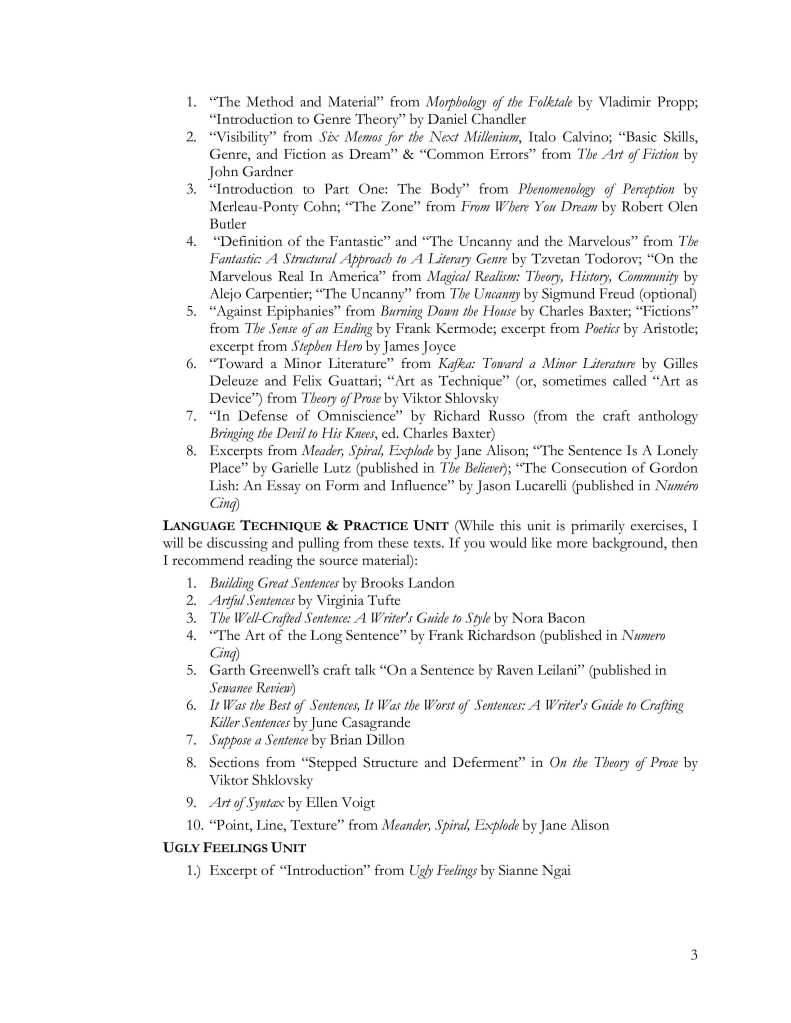
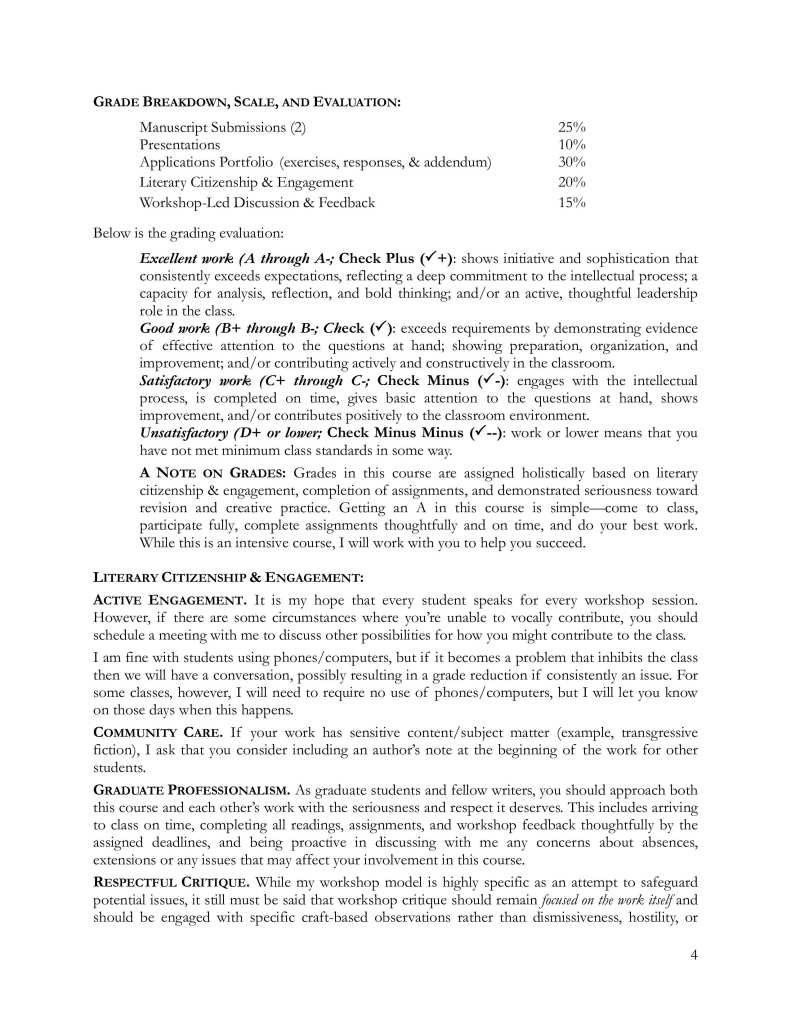
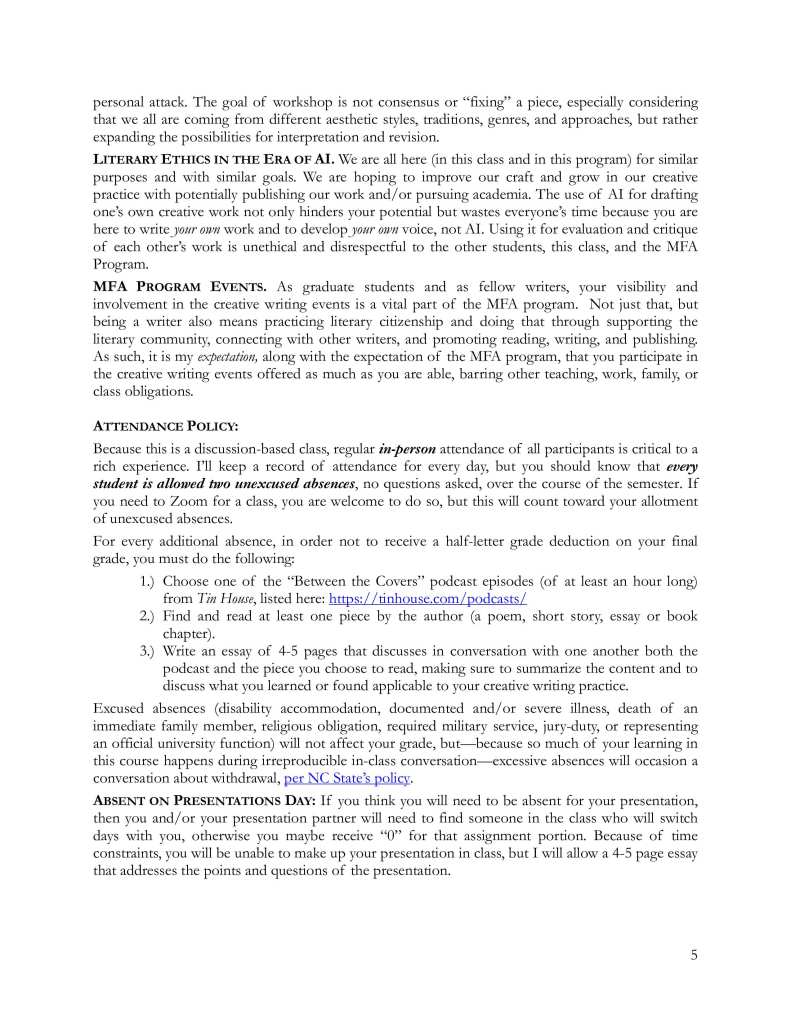
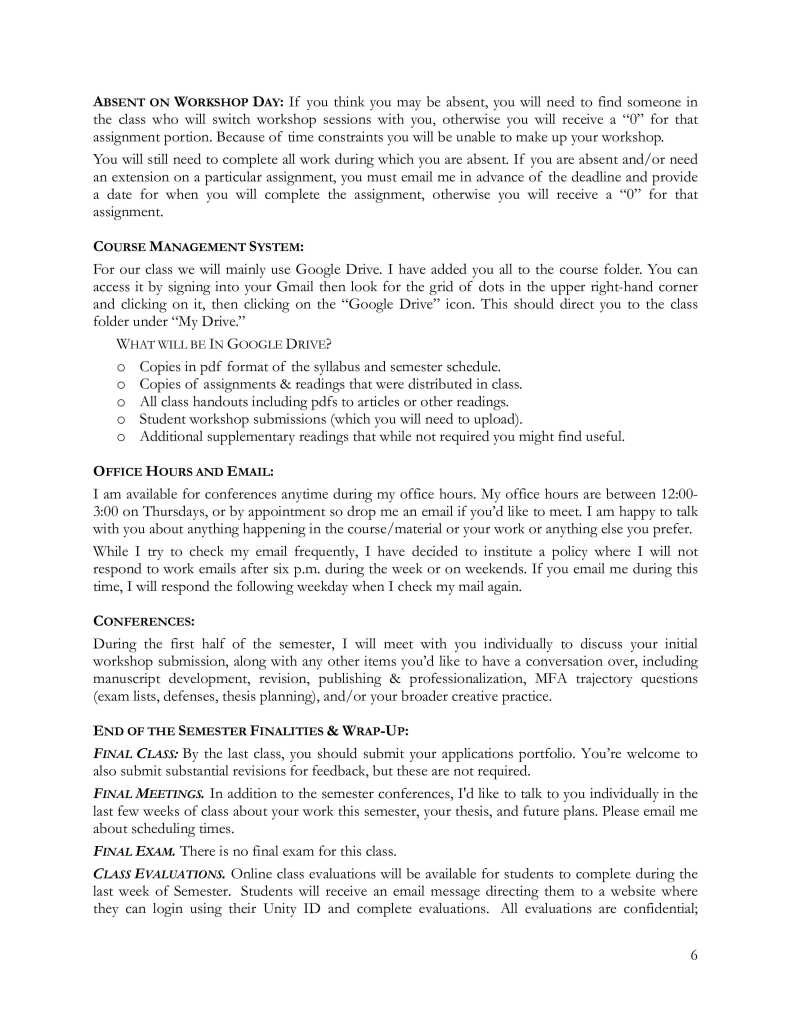
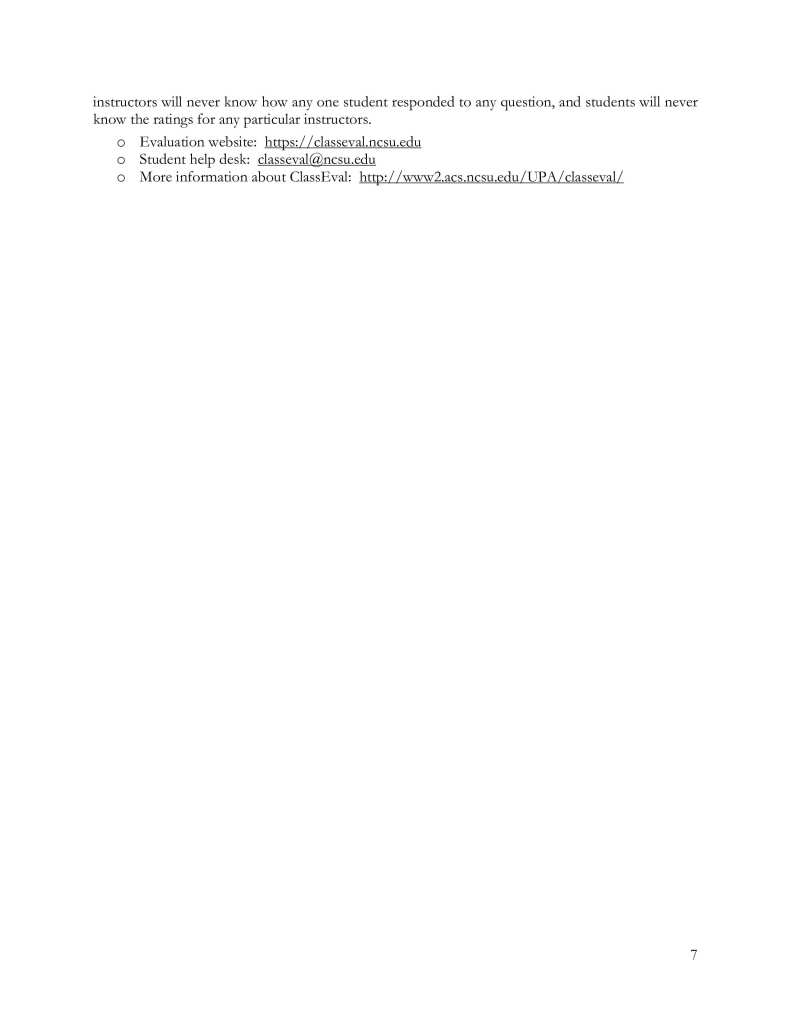
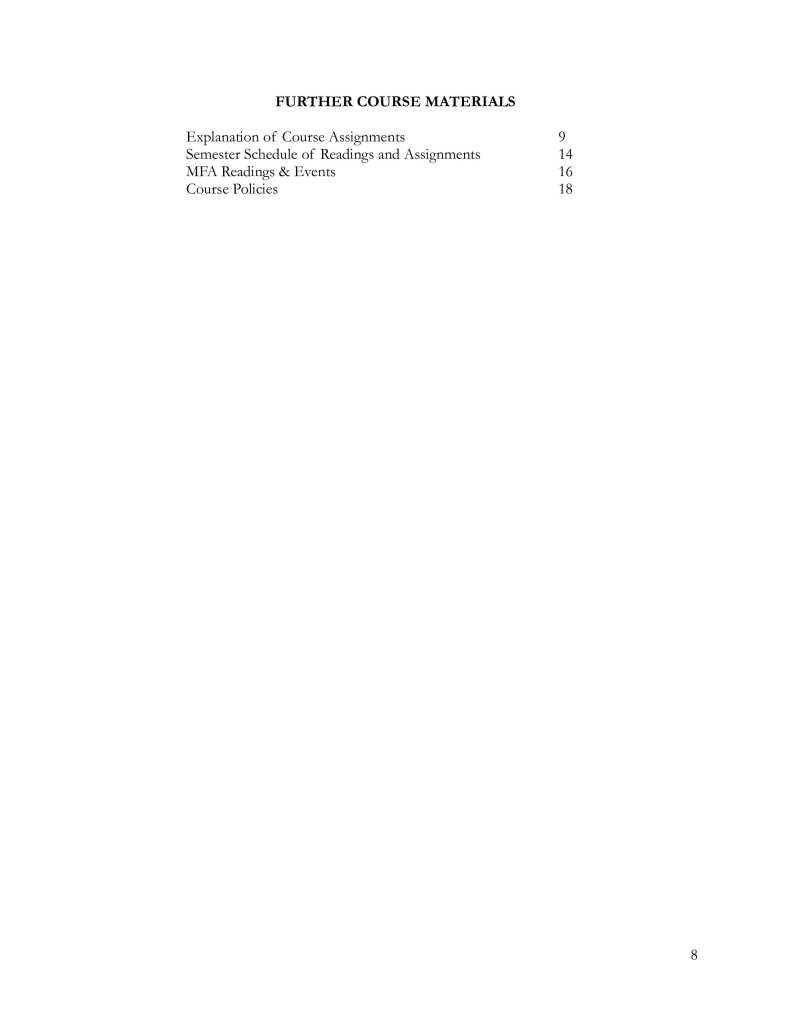
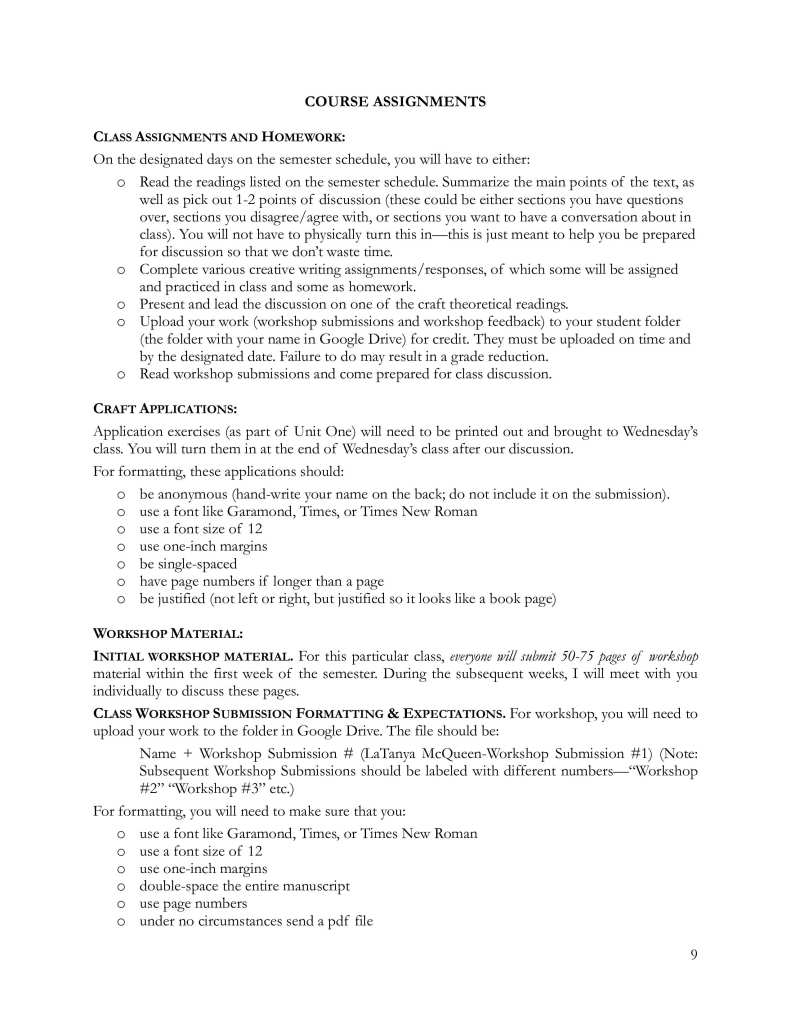
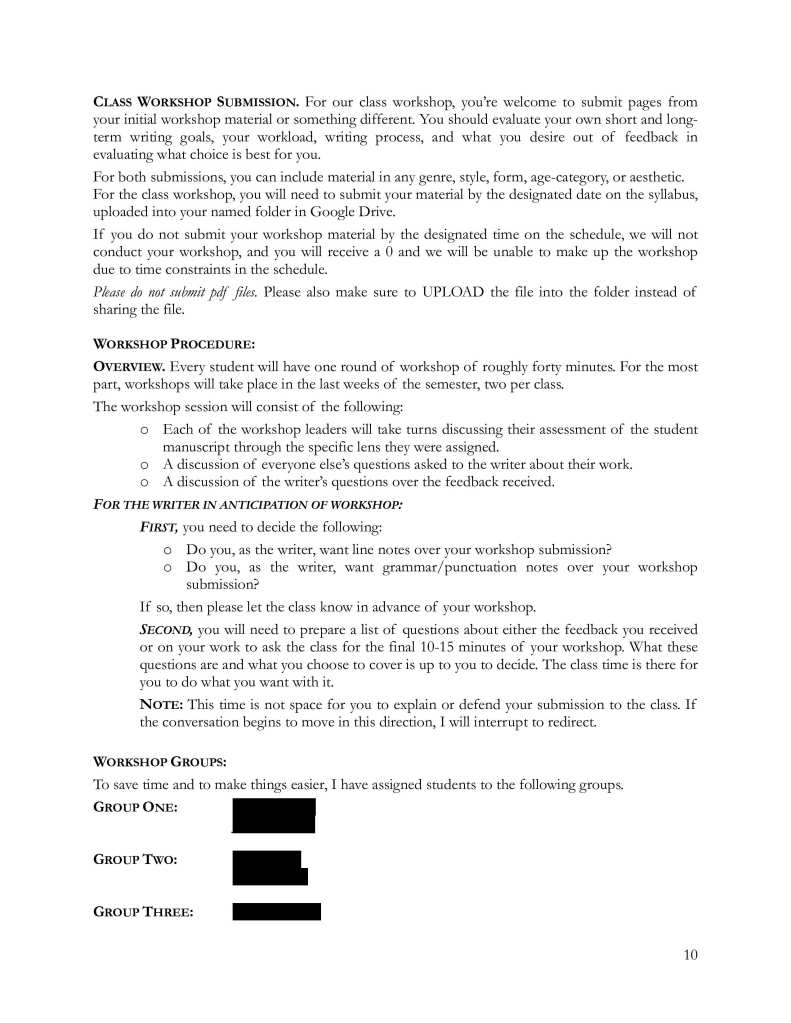
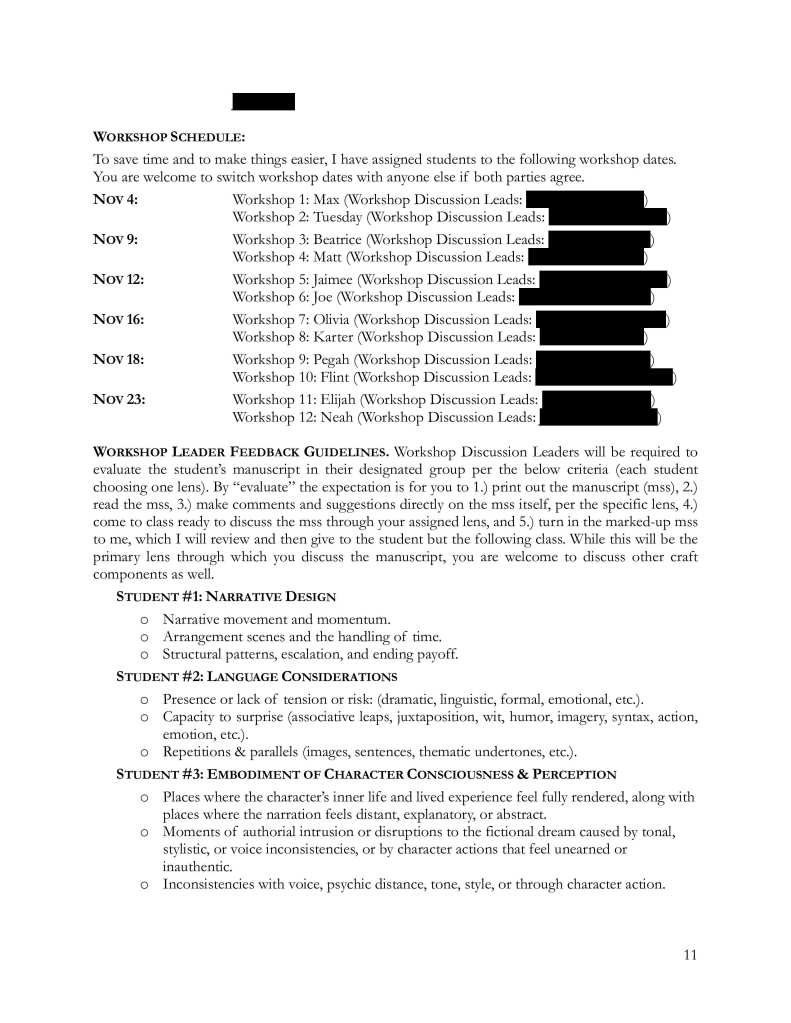
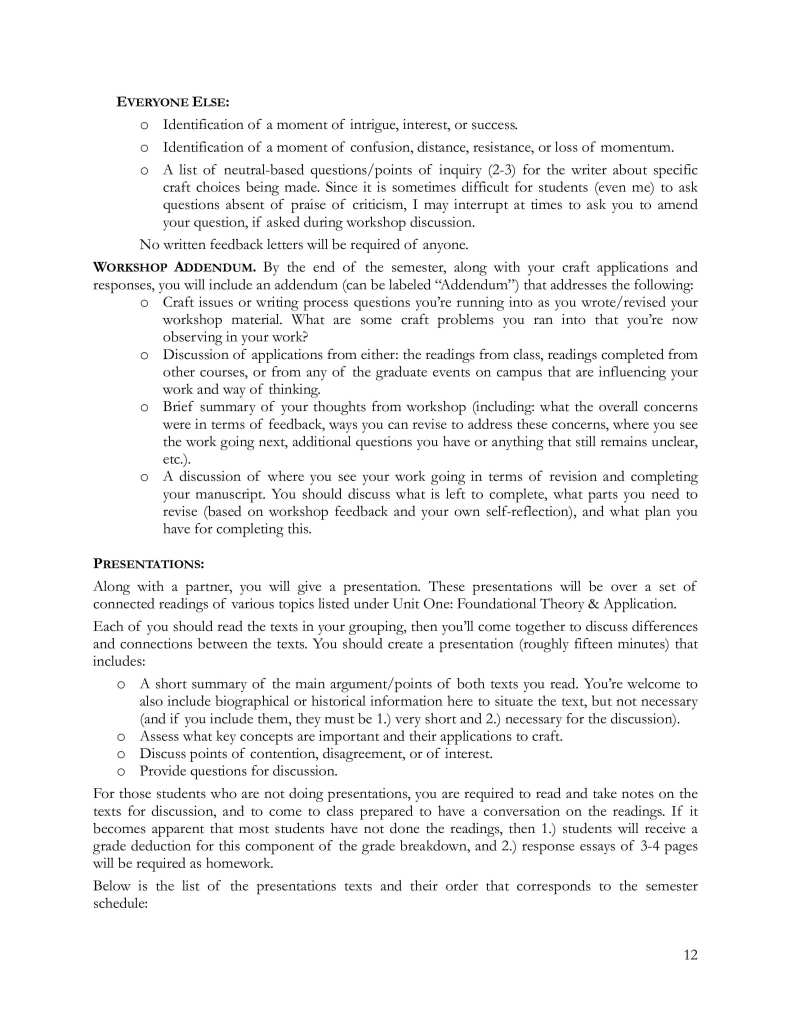
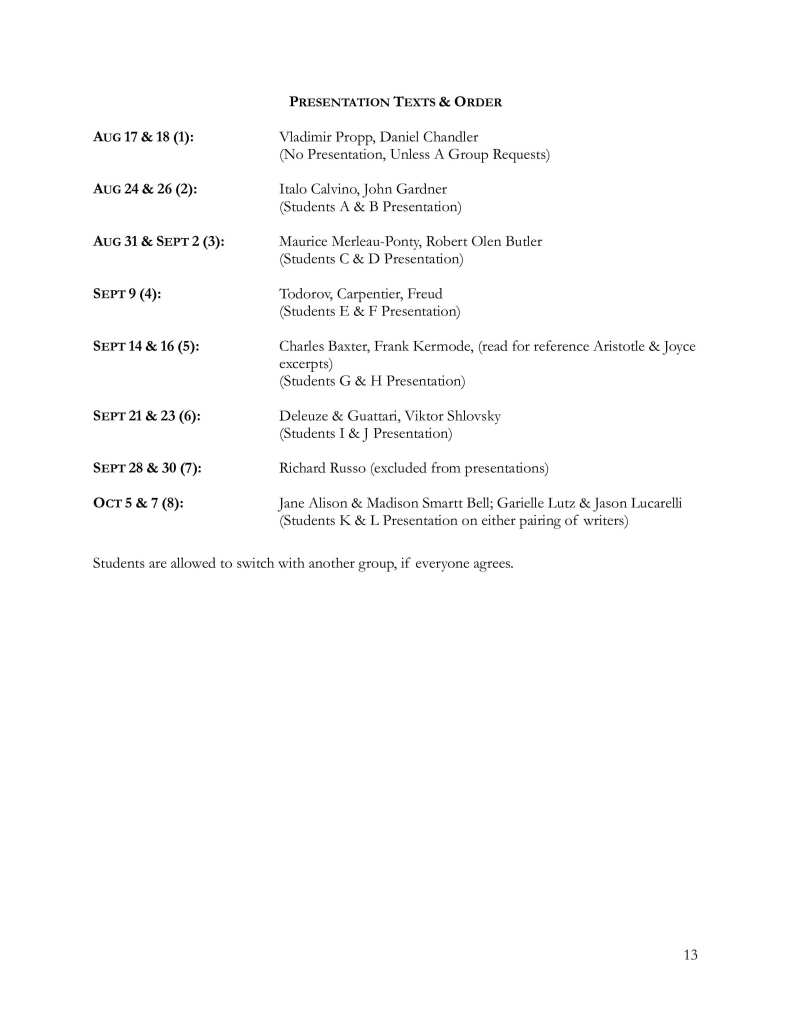
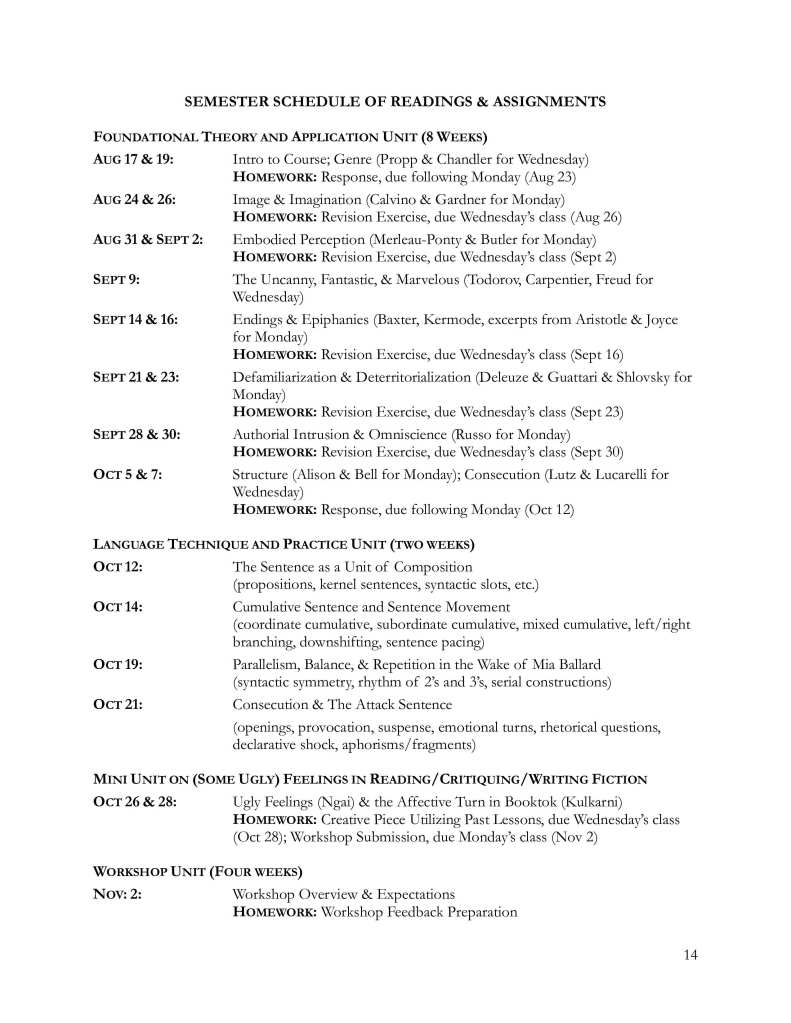
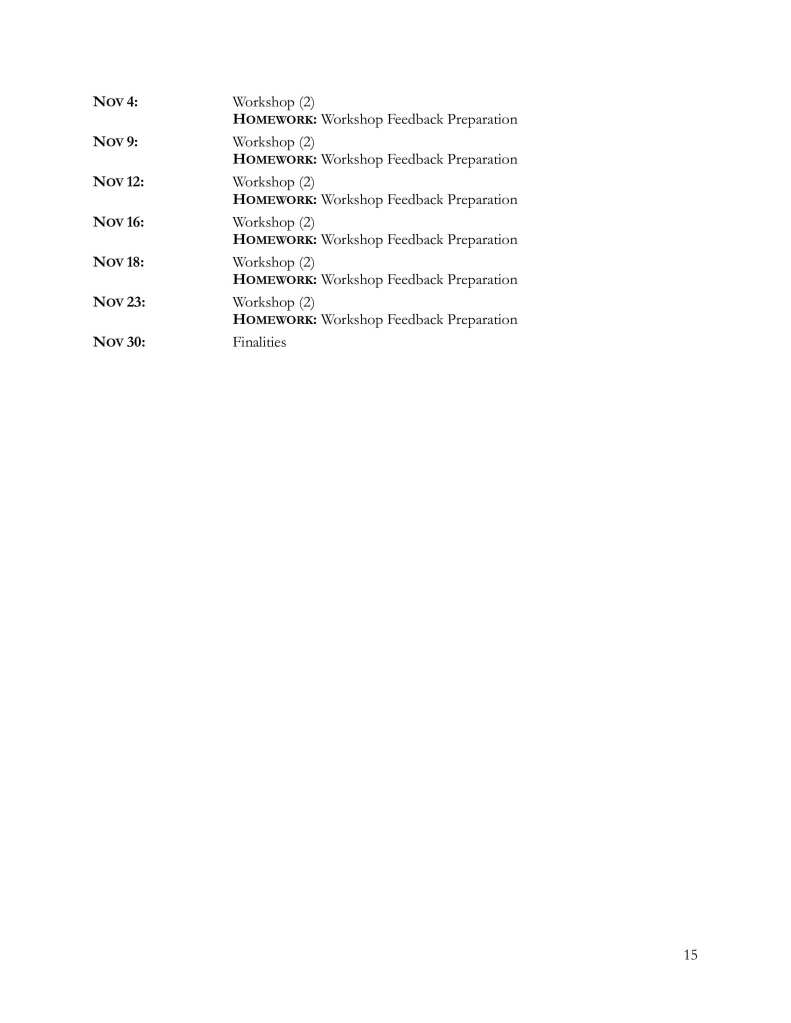
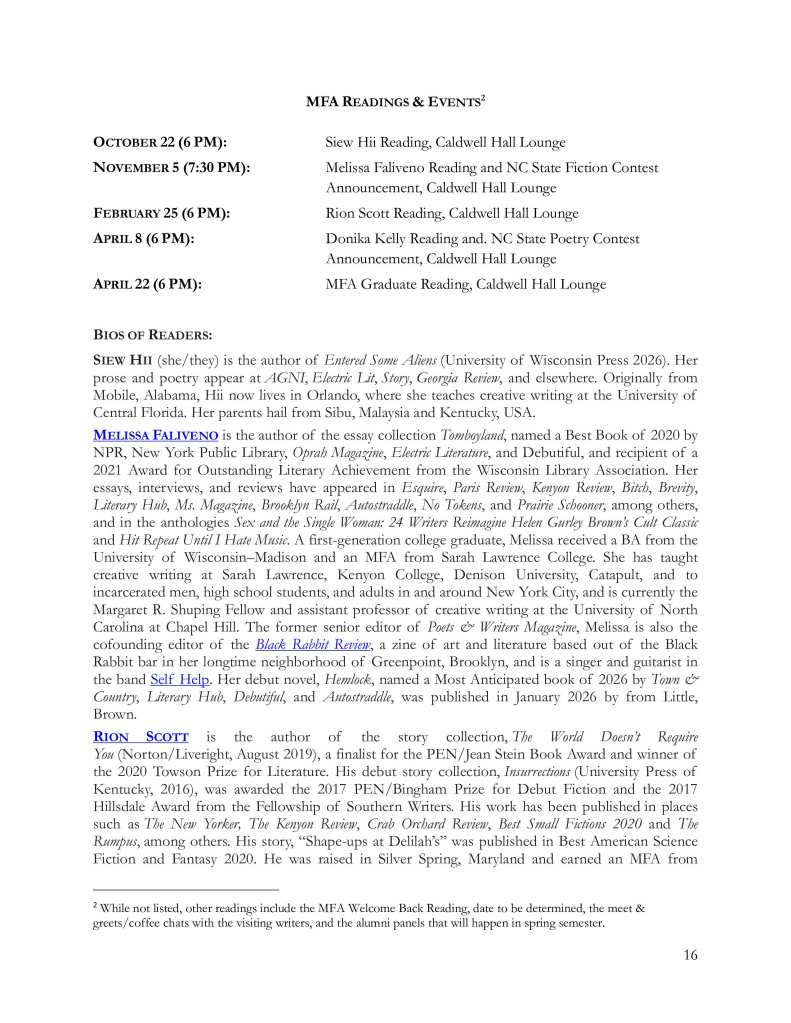
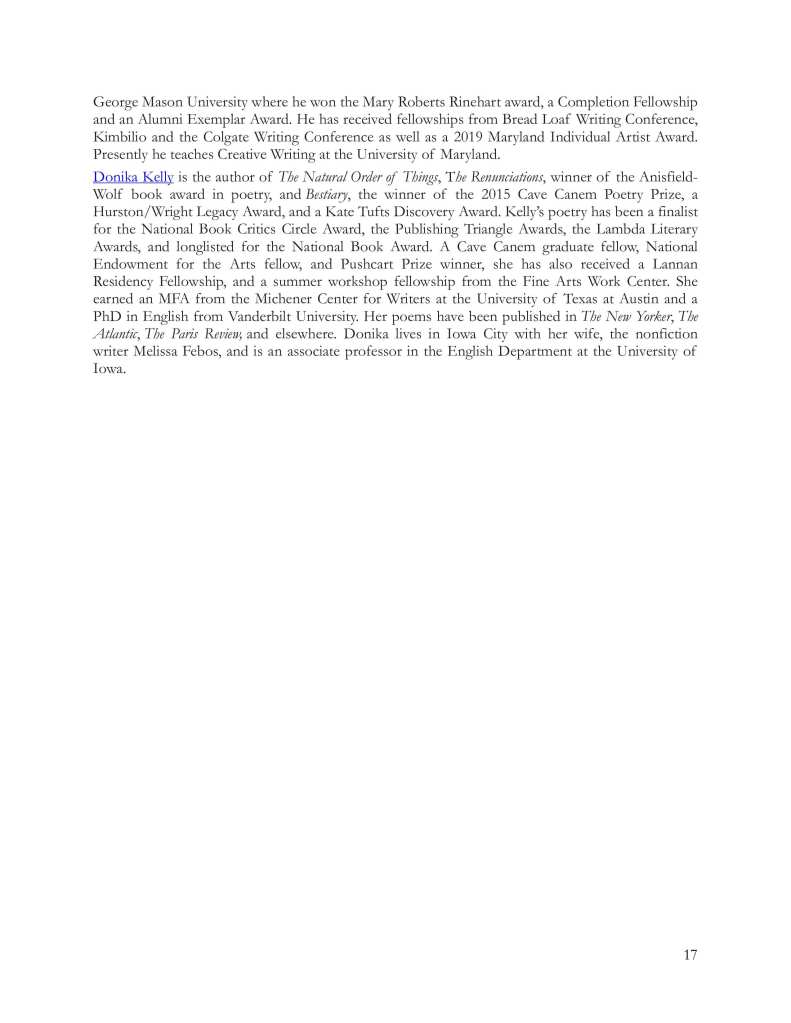
Below is my MFA Workshop syllabus and course packet for the fall 2026 semester.
MFA Degree Requirements, MFA Reading List & Exam, and FAQs
For information on the MFA degree requirements, please visit the MFA Program website.
As part of the MFA degree requirements, students must complete a written thesis exam in which they discuss craft issues from a list of selected books (twenty in total). As of Spring 2025, here is the MFA Thesis Reading List. Here are sample MFA Exam Essay Questions that I’ve used in the past.
Have further questions about our program and what it offers? Here is a FAQ of our program that might answer them.
Need More Information?
If you are considering applying to the MFA Program, I am always glad to speak to prospective students. For fiction-related questions about the application process or the program, you’re welcome to email me at ldmcquee@ncsu.edu. For administrative questions, I encourage you to get in touch with either Chelsea Krieg, the Administrative Director, or Ciru Mutura, the Graduate Services Coordinator. Their contact information is available on the NC State MFA page.
Prospective students may also be interested in NC State’s Visit Program, which provides selected applicants the opportunity to visit campus, attend classes and events, and learn more about the program at no cost. I am always glad to speak with students who are considering applying.
Curious about life in the program? Follow the MFA Program on Instagram to get a sense of student life and keep up with readings, events, visiting writers, faculty news, and student achievements throughout the year.

